Is Kopli Worth Visiting? A Local Guide to Tallinn’s Most Interesting Neighbourhood
Short answer: yes — if you want to see a side of Tallinn most tourists never find.
Kopli is a former industrial peninsula in northwest Tallinn. It sits about 15 minutes from the Old Town by tram, but it feels like a different city: quiet streets, sea views, working-class timber houses, and a growing creative community built around repurposed factory buildings. If you’ve already explored Kalamaja and Noblessner and you’re looking for what’s next, Kopli is where locals are pointing.
Where is Kopli?
Kopli is a peninsula in the Põhja-Tallinn district, bordered by the sea on three sides. It’s one of Tallinn’s older industrial quarters, historically home to factories, shipyards, and the workers who built them. The area fell quiet after the Soviet period, but over the past decade it has gradually come back to life — not through large-scale development, but through smaller, bottom-up projects that have preserved its industrial character.
Getting there is easy: tram line 1 or 2 from the city centre takes you directly into the neighbourhood.
What is there to do in Kopli?
The main reason people come to Kopli — and the reason the neighbourhood has started appearing on more itineraries — is Põhjala Tehas.
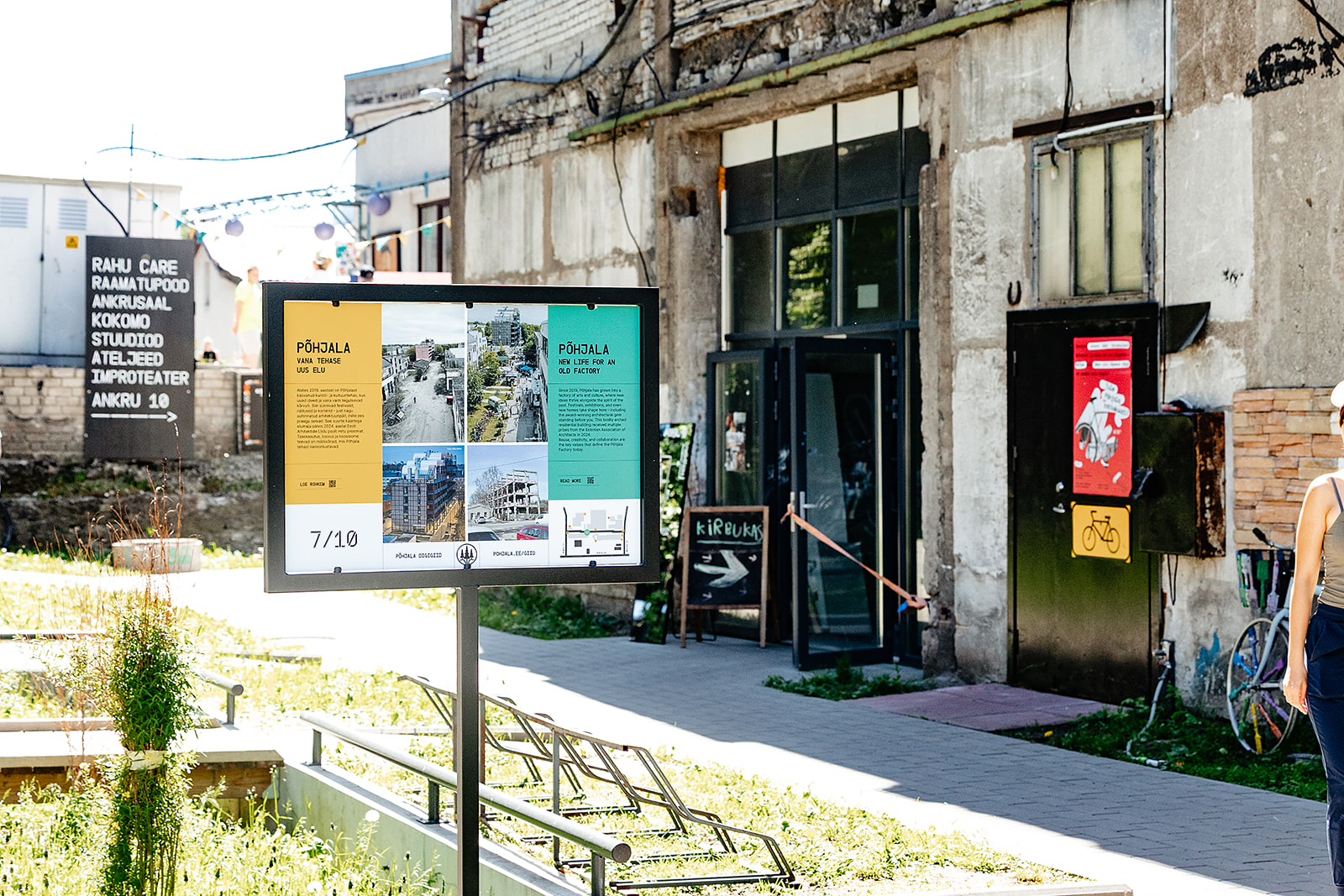
Põhjala Tehas (Põhjala Factory) is a former rubber goods manufacturing complex that has been transformed into a creative and community district. The site covers several historic hangars and factory buildings, now home to studios, workshops, restaurants, cafés, a craft brewery, event spaces, and independent businesses.
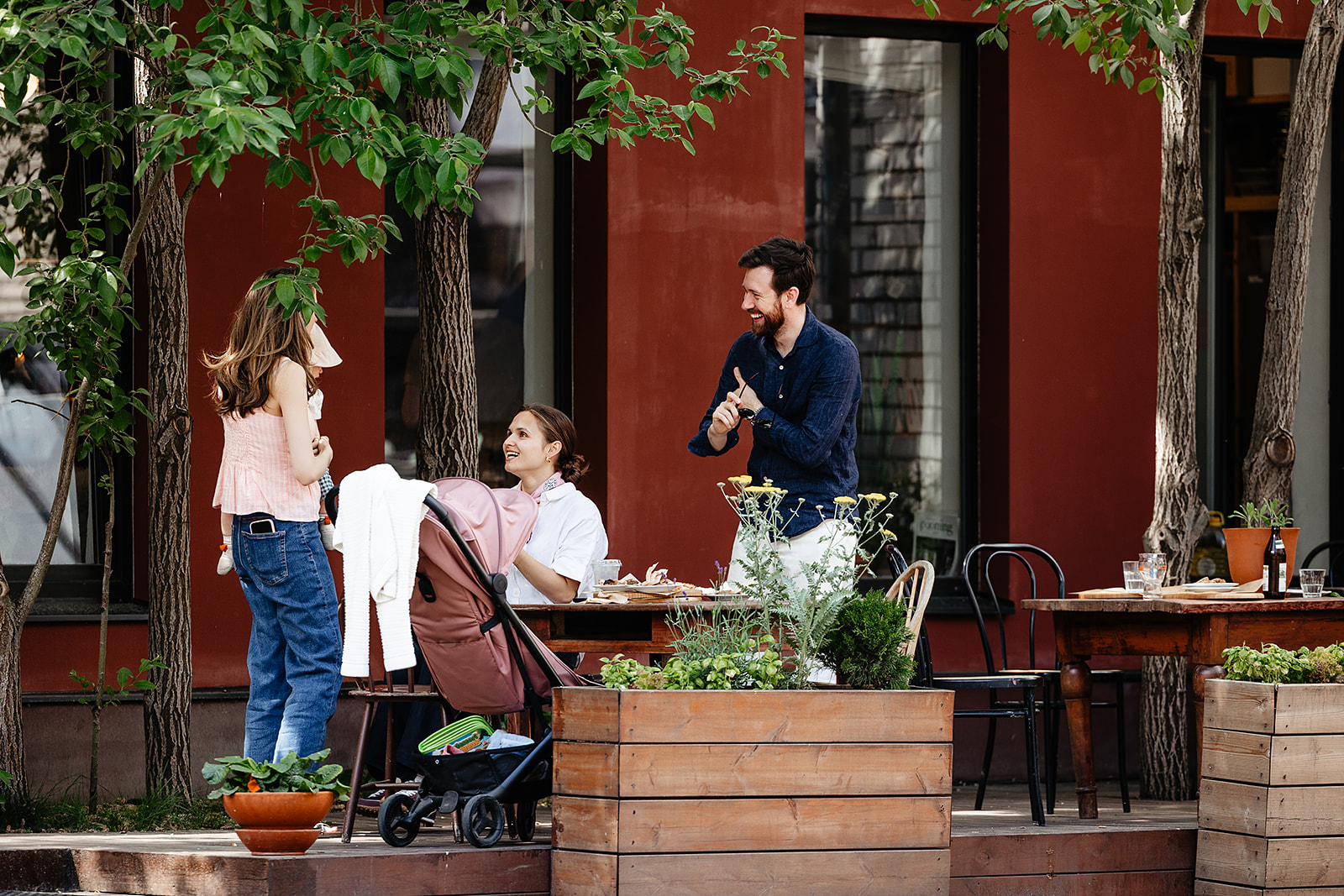
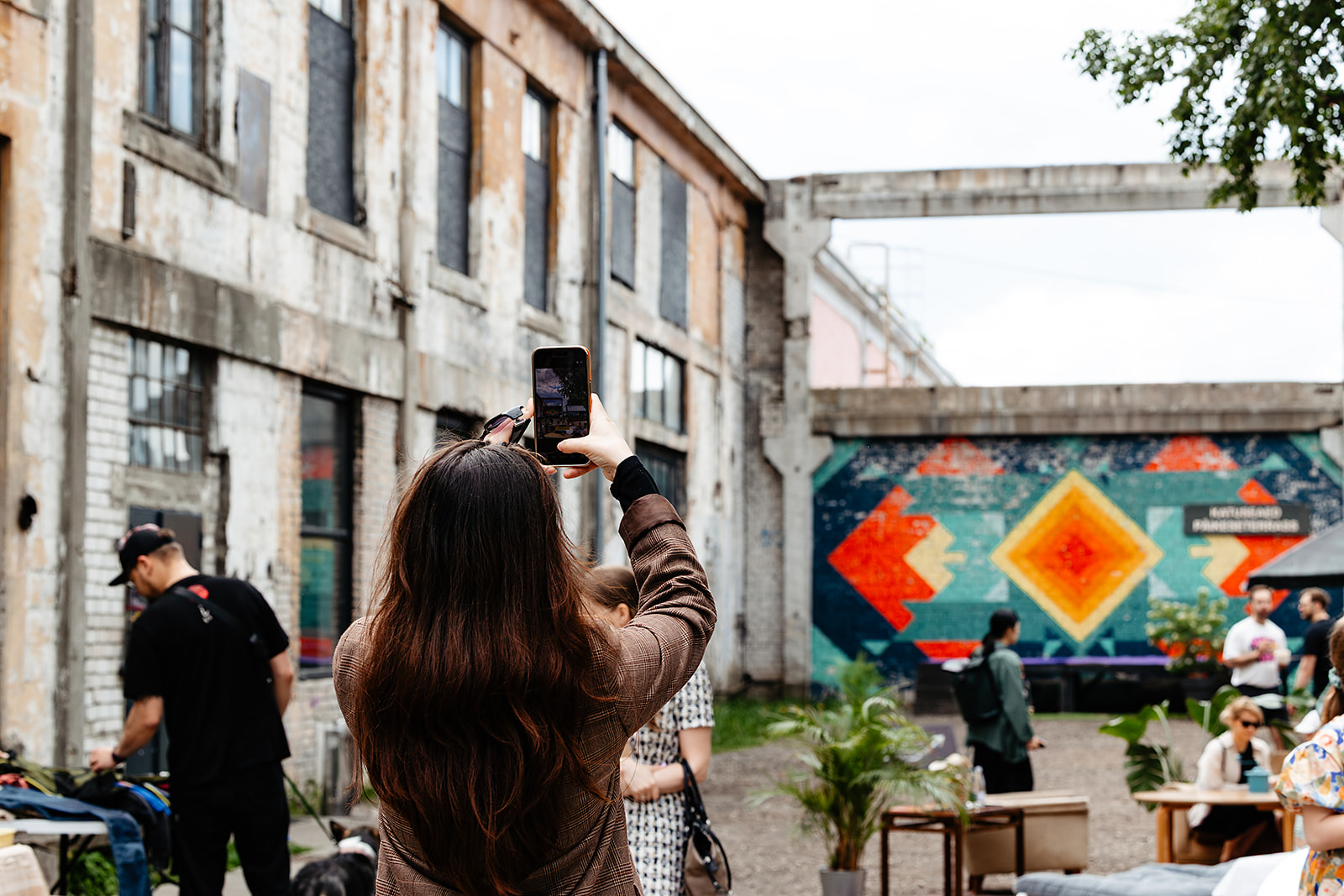
What makes Põhjala Tehas distinctive is what it isn’t. It’s not a shopping mall or a curated tourist attraction. It doesn’t have a fixed opening time or a list of things you’re supposed to see. It’s a working neighbourhood within a neighbourhood — somewhere people come to work, eat, make things, meet friends, and spend time outdoors in the courtyards between the old factory buildings.
For visitors, that means a kind of discovery that’s become rare in European city tourism: wandering into a space that hasn’t been designed for you specifically, and finding it more interesting for that reason.
What you’ll find at Põhjala Tehas:
- The Tuletorn Brewery taproom
- Independent cafés and restaurants with a local clientele
- Creative studios and workshops, some with open doors
- A courtyard culture that comes alive in warmer months
- Regular markets, events, and community gatherings
- Industrial architecture in various stages of creative reuse
Põhjala Tehas is the best single answer to the question of what to do in Kopli — but it’s also a reason to slow down and stay longer rather than a box to tick.
Walk the Kopli coastline
Kopli’s geography gives it something most inner-city neighbourhoods don’t have: unobstructed sea access within walking distance of everything else.
The coastline around the peninsula is undeveloped in the way that coastal Tallinn often is — not a promenade with cafés and beach umbrellas, but a working waterfront where you can walk for an hour without seeing another tourist. Sea views, migratory birds in season, and a real sense of the Baltic.
This is where Tallinn residents come when they want quiet. It’s worth spending time here even if you don’t usually think of yourself as someone who walks along coasts.
Explore the wooden house streets
Kopli and the surrounding Põhja-Tallinn district contain some of Tallinn’s most intact wooden residential architecture from the late 19th and early 20th centuries. These are working neighbourhoods, not preservation zones, which means the houses look lived in rather than restored — a quality that makes them more interesting, not less.
The streets around Kopli allee and the side streets heading toward the water reward slow walking and no particular plan.
How is Kopli different from Kalamaja?
Kalamaja is the neighbourhood most visitors discover after the Old Town. It’s charming, it has excellent cafés and restaurants, and it’s rightly popular.
Kopli is what comes after Kalamaja — less polished, less photographed, and more representative of how Tallinn’s northern districts actually feel. The two neighbourhoods share a tram line and a general character (industrial past, wooden houses, creative present), but Kopli still has the quality that Kalamaja had about ten years ago: the sense that something is still developing, and that you’re arriving before the crowd.
When is the best time to visit Kopli?
Kopli is accessible year-round, but it’s at its best from late spring through early autumn.
The courtyard culture at Põhjala Tehas peaks in summer — events, outdoor markets, and longer evenings in the factory courtyards. The coastal walk is best in May and June when migratory birds are active and the light on the water is clear.
Winter in Kopli has its own character: quieter, darker, and more atmospheric in a way that fits the industrial landscape. The indoor spaces at Põhjala Tehas stay warm.
Practical information for visiting Kopli
Getting there: Tram 1 or 2 from Tallinn city centre. Journey time from the Old Town area is approximately 15 minutes. Põhjala Tehas is a short walk from the Marati tram stops.
How long to spend: Half a day is comfortable if you’re combining Põhjala Tehas with a coastal walk. A full day gives you time to slow down.
Combining with other neighbourhoods: Kopli pairs naturally with Kalamaja (10 minutes by tram or 25 minutes on foot) and Noblessner (15 minutes on foot from the Kalamaja end). A half-day Põhja-Tallinn route covering all three is one of the best ways to spend time in Tallinn outside the Old Town.
Eating and drinking: Põhjala Tehas has several options on site, from coffee to full meals to craft beer. The neighbourhood around it is quieter for food, so it’s worth planning your meals around the Factory if you’re visiting for a day.
Why Kopli is becoming more well-known
Kopli has been overlooked in Tallinn tourism for a long time, largely because it doesn’t have a single iconic attraction to anchor it in guidebooks or search results. What it has instead is harder to describe in a headline: a coherent sense of place, a community that has grown around creative reuse of industrial buildings, and a coastal character that doesn’t exist anywhere else in the city.
Põhjala Tehas has changed that gradually. As the Factory has grown — more businesses, more events, more visibility — it has given the neighbourhood a concrete reason to visit while preserving the quality that made the area interesting in the first place. Kopli is now the kind of place that people who have visited Tallinn before come back to see. That’s usually a good sign.